The apostle Paul sets out on a journey to the ancient cities of Asia Minor and Greece. Even today, his experiences offer valuable and instructive lessons.
Stress and anxiety seem to be a part of daily life in the 21st century. An endless array of products and services promise temporary relief, but there is a better solution.
True or false. Black or white. This or that. Is truth a simple binary choice? Does it change with the times? Neither science nor philosophy—nor traditional religion—has provided satisfactory answers.
Vision examines the predictions of futurologists such as Ray Kurzweil who believe that advances in technology will allow humans to transcend their biology.
Most Bible scholars pit the apostles James and Paul against one another. A brief review of the historical record shows the origins of that mistaken idea.
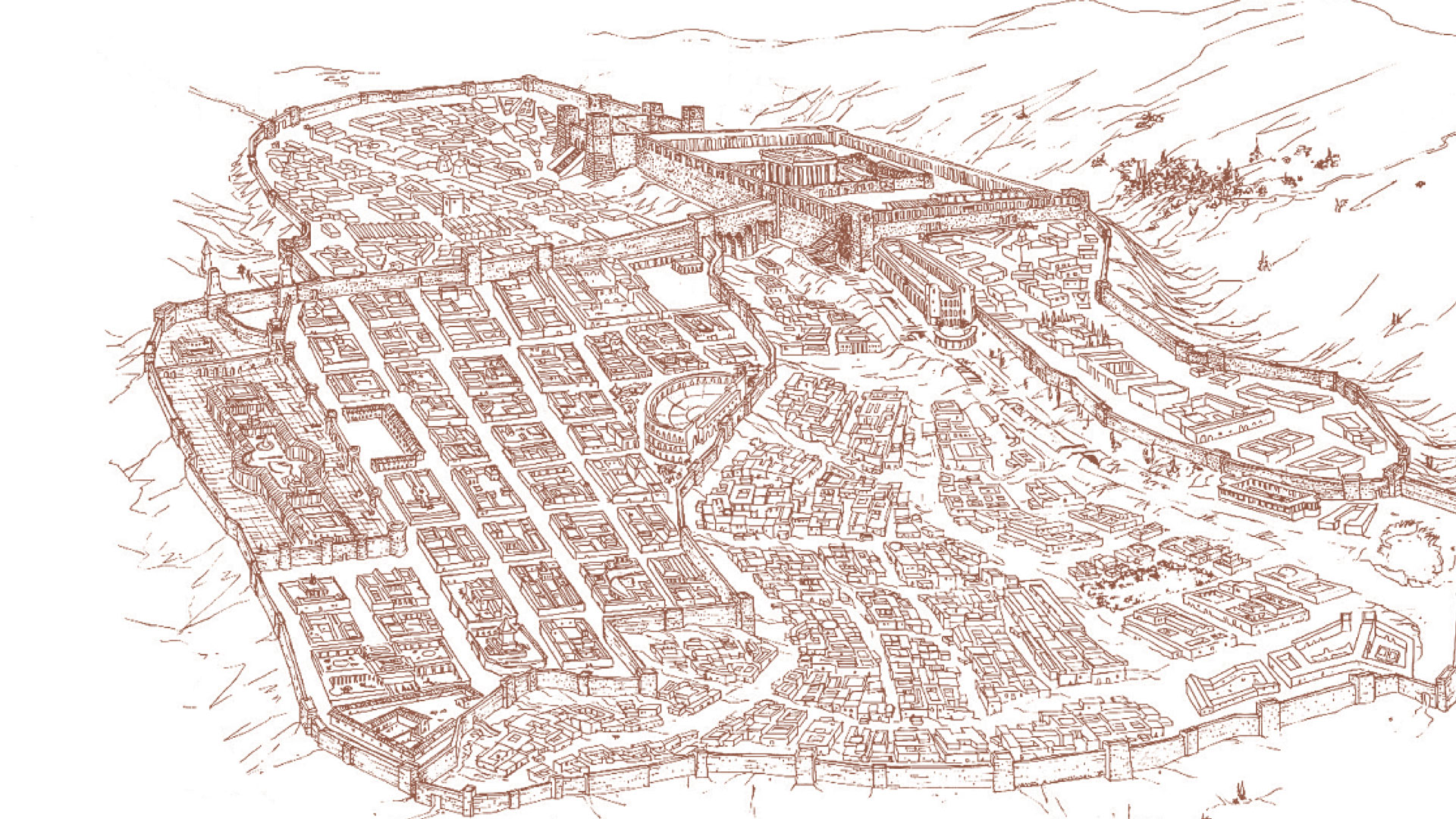
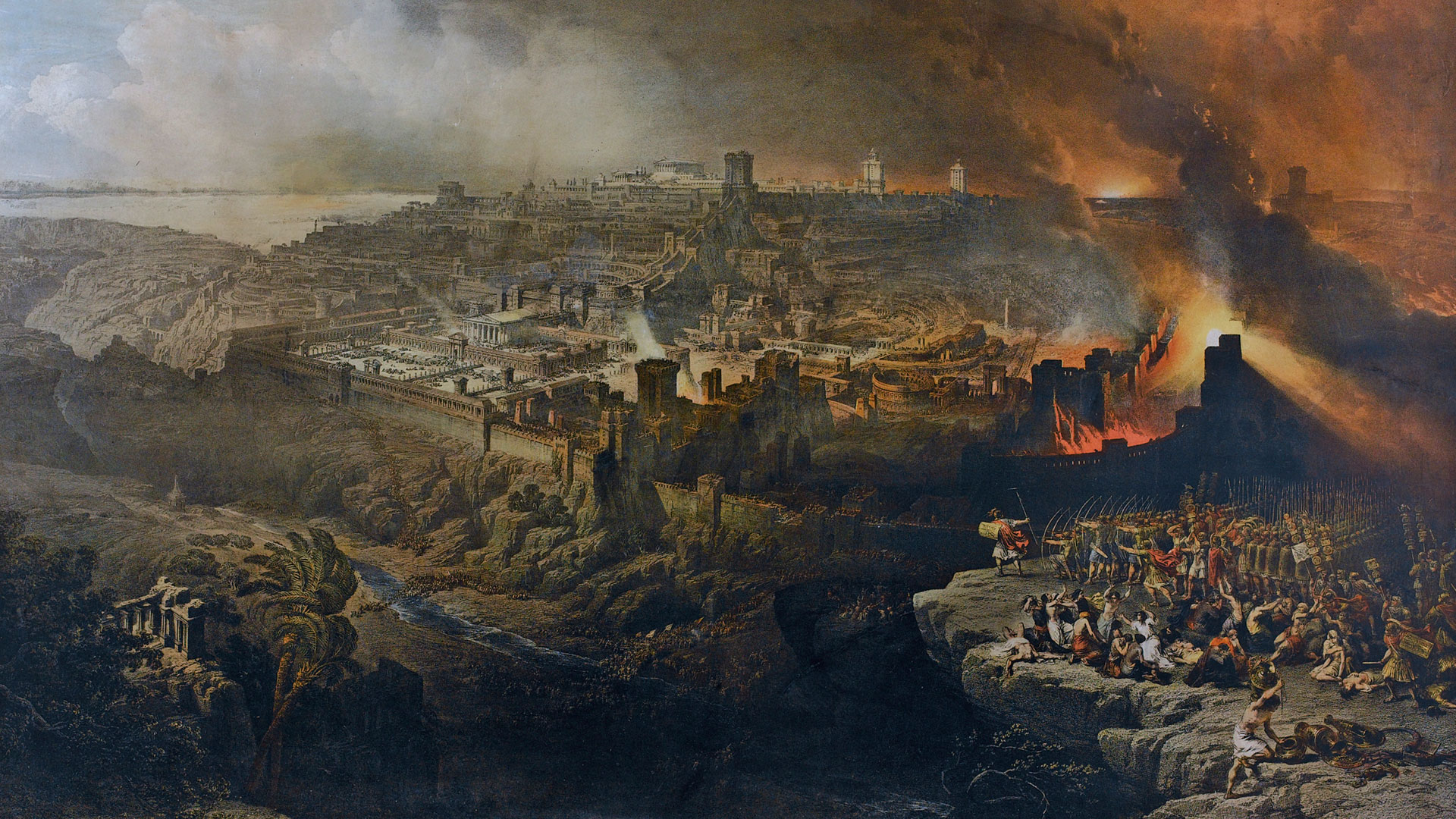
Underneath the modern Cairo suburb called Heliopolis lie the remains of one of the most important cities of ancient Egypt. That Heliopolis may be long buried, but its influence lives on and, perhaps more surprisingly, its future is bright.
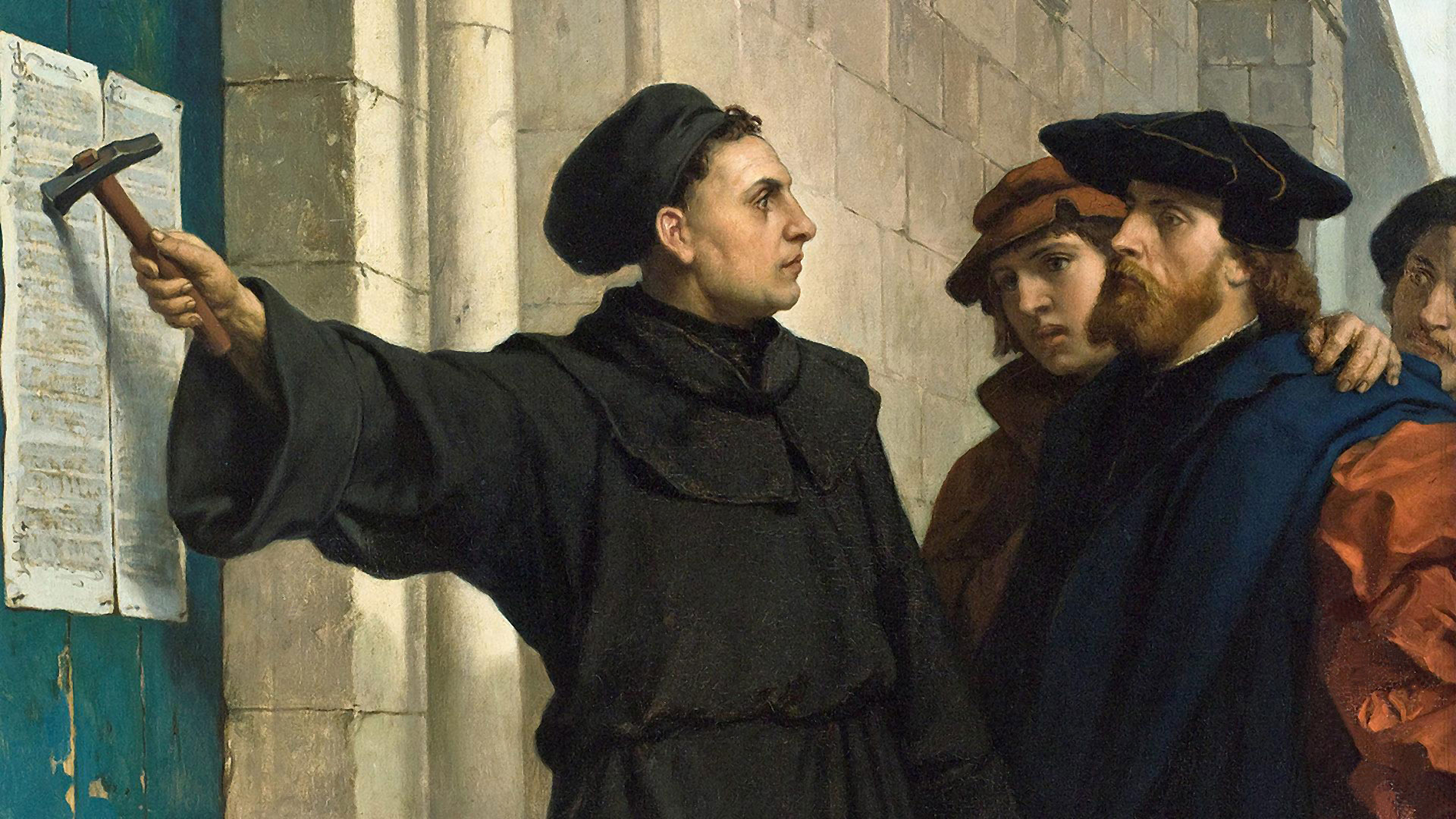
As Christians mark the 500th anniversary of the Protestant Reformation, churches around the world look for ways to come together. What does the Bible have to say about unity among believers?
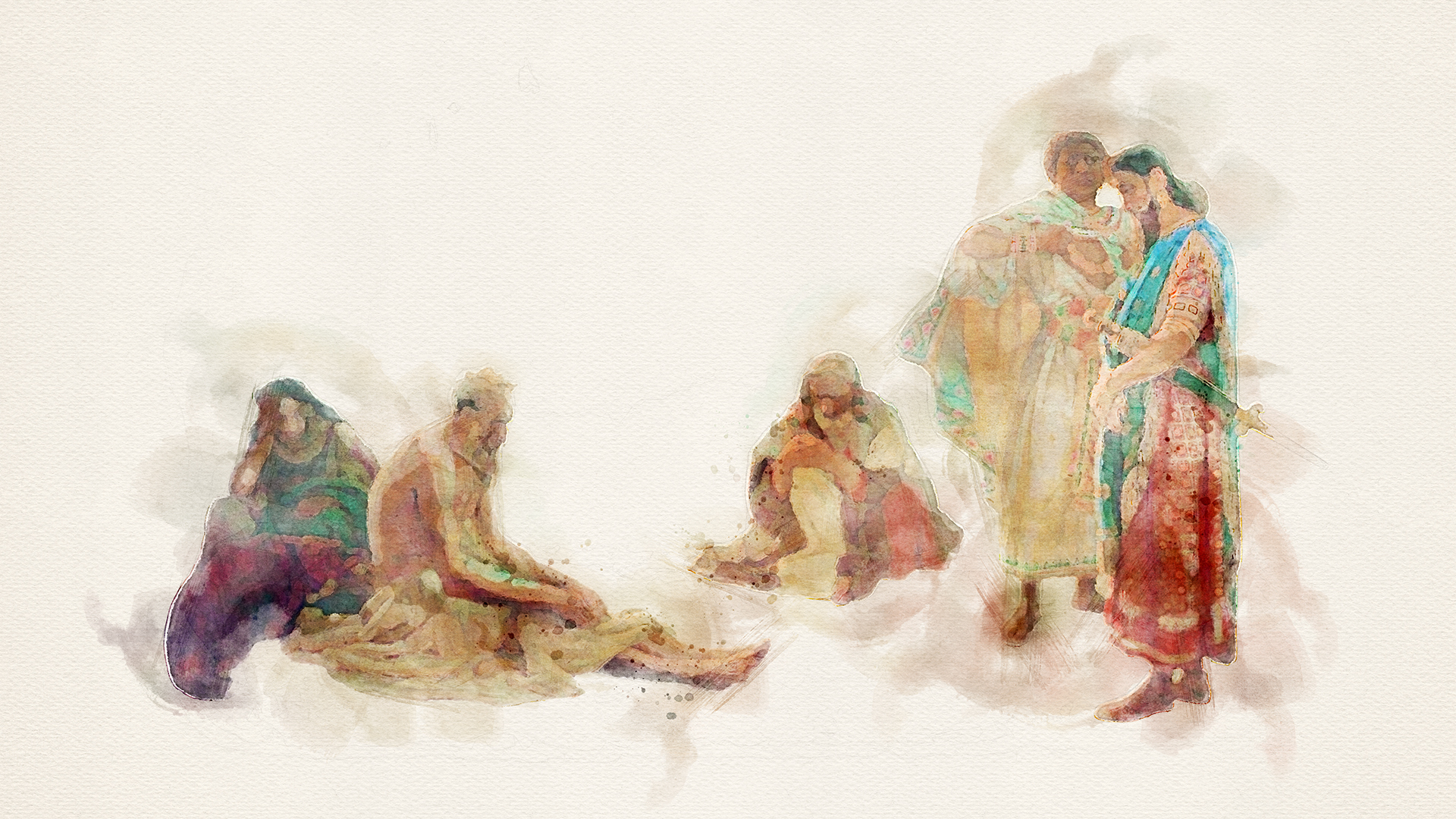
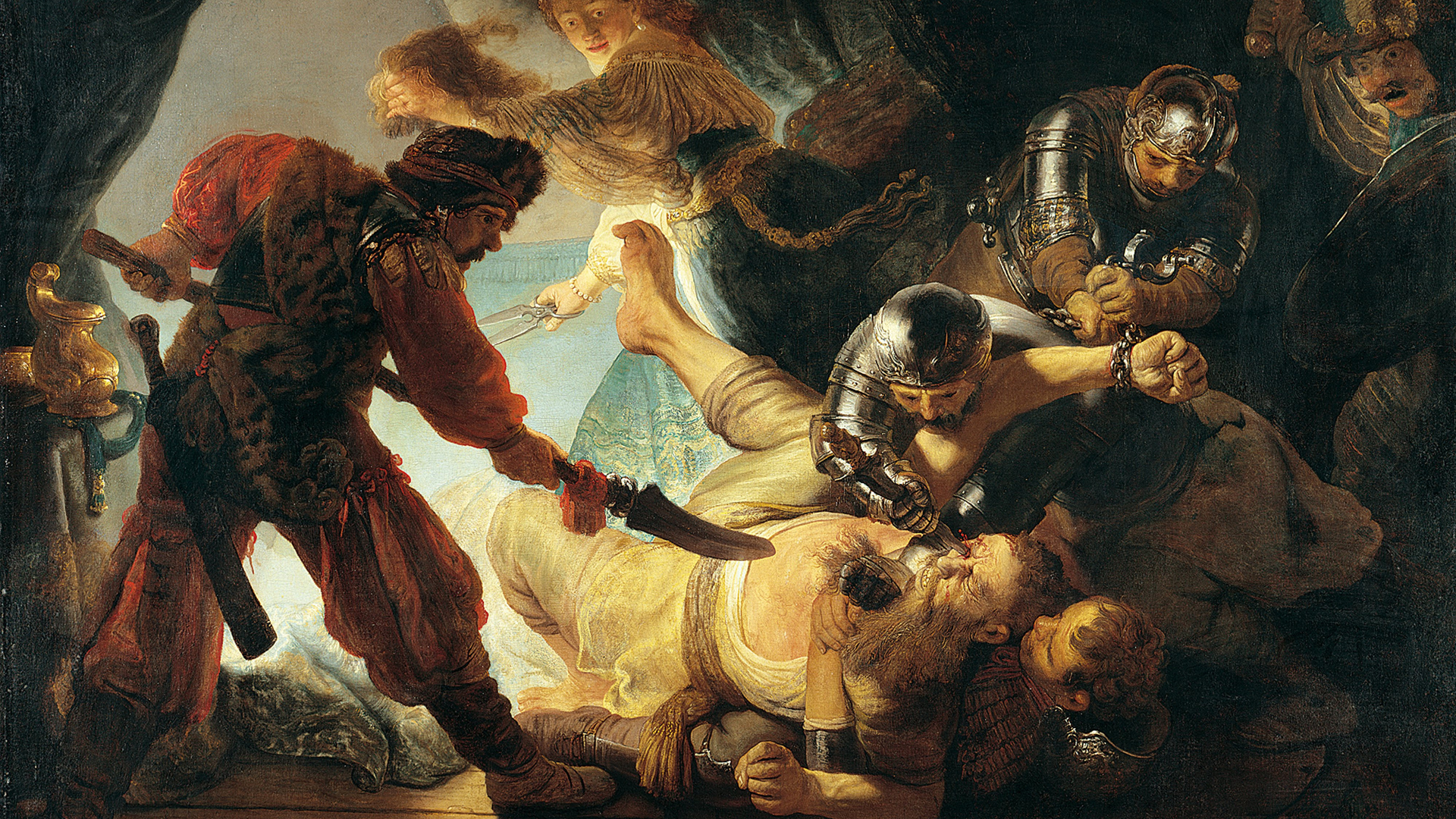
While the concluding chapters of the book of Judges tell of the utter faithlessness into which the children of Israel had fallen, the book of Ruth relates an altogether different episode from that period in the nation’s history.
The descendants of Jacob had been enslaved in Egypt for many years when Moses brought them word that God was about to rescue them. In Part 9 of the series, we trace the story of their exodus from the land of the pharaohs.
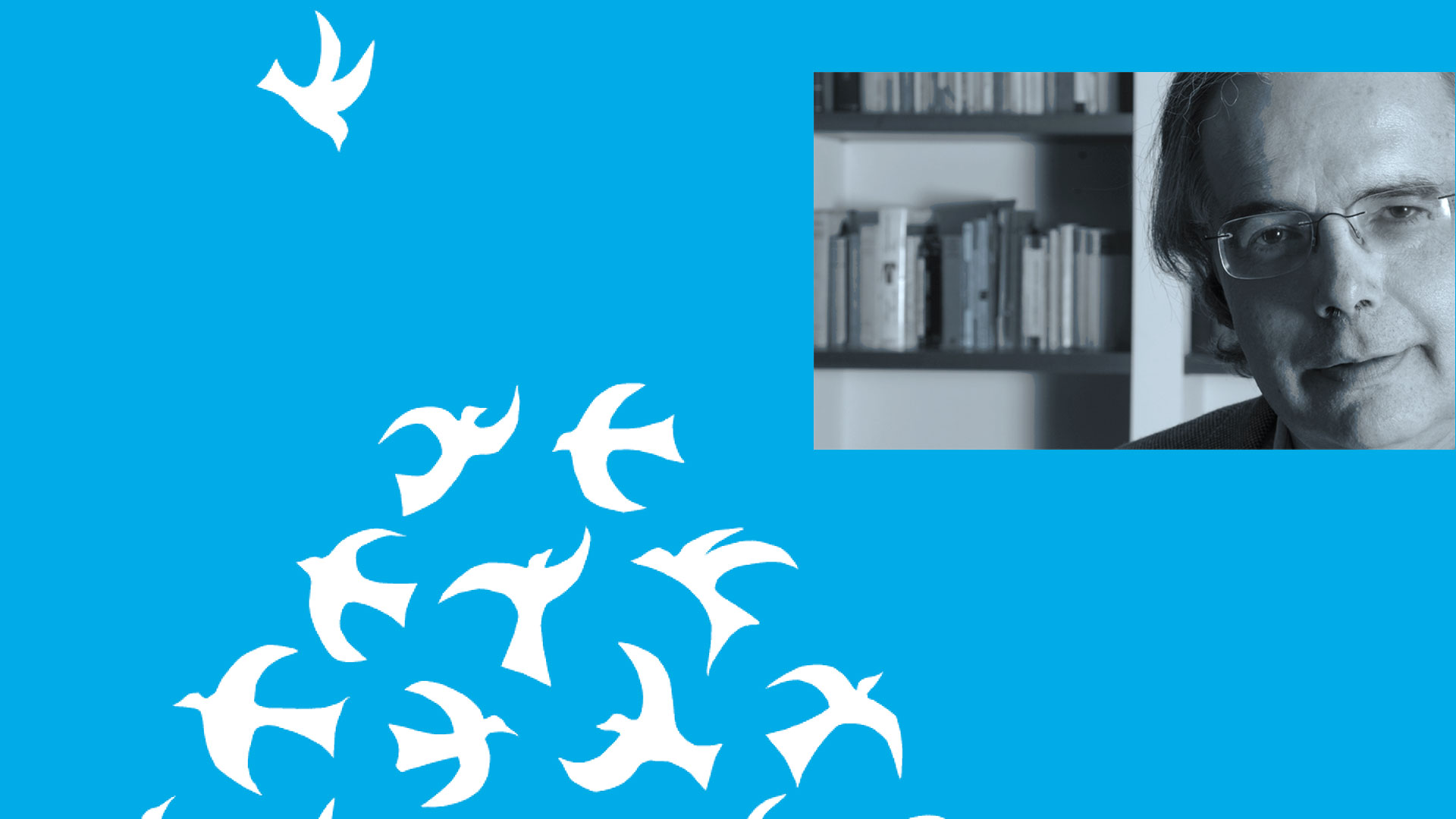
Career diplomat Uri Savir has a passion for peace in the Middle East. This interview by publisher and Mideast scholar David Hulme is Savir’s second for Vision.