
Pursuing Health in an Unhealthy World
Are we supposed to be healthy? In the beginning God said, “Let us make human beings in our image, to be like us” (Genesis 1:26, New Living Translation). Does chronic and debilitating illness reflect a situation that was meant to be?








It would be a mistake to blame God for our collective history and the decisions that have brought us to where we are today. Due to the wide-ranging effects of sin, we live in a world that doesn’t reflect God’s intentions. And although the biblical perspective speaks to the eventual redemption of humankind from the consequences of sin, we must live our present lives in the world today. Illness is one manifestation of how creation metaphorically cries out for that future time of healing (Romans 8:18–22). In these times, statistics concerning global health simply illustrate our human dilemma and point to the necessity of managing our health in a flawed world.
Based on World Health Organization data, 68 million people died in 2021 (the days of COVID-19). But of these, noncommunicable diseases killed at least 43 million—75 percent of non-pandemic-related deaths globally. These are deaths due not to pathogens or germs that carry infection from person to person, but to such chronic diseases as cardiovascular disease and stroke, cancer, diabetes, and respiratory disease (for example, COPD).
We now know to associate much chronic disease with what has become our common environment: bustling and crowded, yet sedentary and isolated. How we move, what we eat, how we commute and entertain ourselves, how we exercise and socialize and sleep—all of these influences bear on our state of ease or anxiety, health or disability. We can anticipate even greater health problems as the environment degrades further and climate continues to shift, creating even more personal and societal stress.
Is Health Possible?
These conditions aren’t congruent with being created in the image of God. They are, however, the expected outcome of human knowledge apart from godly influence. That is what we mean by saying the world is damaged by the effects of sin: We are experiencing the by-product of living a way driven by competition, exploitation and covetousness instead of by God’s way of love, cooperation and egalitarianism. Human suffering and illness, overall, are due to the way we have designed, built and managed our collective habitat.
We are indeed in a debilitating situation—not a surprise to at least one observer. In Mirage of Health (1959), microbiologist René Dubos (1901–1982) proposed that we would always be on the cusp of disease, that we would always be unhealthy—not only because of inevitable aging and pathogens, nor due to some kind of wrong spiritual foundation. Rather, he believed we would never be disease-free thanks to our inability to accept the status quo of life as it is. Because of an innate drive to explore and expose our frail selves to new conditions, he argued that we would always put ourselves in new situations where illness would be a consequence. One could posit that this is the outcome of ill-advisedly trying to be like God without listening to God.
Nevertheless, Dubos concluded that health was a mirage and illness was a given—simply another facet of human existence. “Disease will remain an inescapable manifestation of [human] struggles. . . . Man could escape danger only by renouncing adventure, by abandoning that which has given to the human condition its unique character and genius among the rest of living things.”
“Each civilization has its own kind of pestilence and can control it only by reforming itself.”
Thus the mirage. Health would always be out of reach.
Maybe what Dubos called “adventure” could simply be interpreted as poor decision-making. Indeed, we do have “unique character and genius”; and as world conditions show, we have focused it poorly. Our “genius” needs some adjustment. So while we cannot rebuild the world and its systems as individuals, we can discover ways to improve our health even in hard circumstances. Health need not be an unattainable, forever-beyond-the-horizon mirage. As Solomon wrote, we should not give up but seek wisdom and act on what we know in all areas of concern, including health. After all, “everyone with good sense wants to learn” (Proverbs 18:15, Contemporary English Version), and “without good advice everything goes wrong; it takes careful planning for things to go right” (Proverbs 15:22, CEV).
It isn’t that we are somehow fated to unhealthy lives today. After all, we are “fearfully and wonderfully made,” wrote the psalmist. “Wonderful are your works; my soul [my life, my being] knows it very well” (Psalm 139:14, English Standard Version).
Aligning Body and Spirit
This being so, it’s good to aim for practices that will improve our physical lives. It’s also clear that we must not put the proverbial cart before the horse. Physical health is not the be-all and end-all. Physical well-being is temporary no matter what we do, and God does have plans for us beyond this life. Paul, writing to Timothy, noted that physical exercise is helpful, but that another exercise—bearing the fruit of the Spirit—is a higher priority: “For physical training is of some value, but godliness has value for all things, holding promise for both the present life and the life to come” (1 Timothy 4:8, New International Version). Keeping that right balance is itself calming and brings comfort, as the proverb suggests: “My son, do not forget my teaching, but let your heart keep my commandments, for length of days and years of life and peace they will add to you” (Proverbs 3:1–2, ESV).
Novelist and essayist David Foster Wallace (1962–2008) also voiced concern about our proclivity to focus too tightly on in-the-moment self-concerns. “There is no such thing as not worshipping,” he posited. But watch out: The worship of physical things will “eat you alive,” he argued. “Worship your own body and beauty and sexual allure and you will always feel ugly, and when time and age start showing, you will die a million deaths before they finally grieve you.”
Ezekiel Emanuel, oncologist and author of Eat Your Ice Cream: Six Simple Rules for a Long and Healthy Life, shares this important perspective: “Remember the first rule of life: We’re all going to die. You can waste all your time trying to extend your life by a few minutes, obsessing over scores of adjustments to your diet or exercise routines,” or, he continues, you can settle into a few behavioral changes and “make the time you have healthier and more meaningful.”
“The title of this book is not to be taken literally. . . . But I do see ways in which wellness functions as deconstructed religion, a regulatory system instructing us how to move through our lives. It’s almost as if it’s cementing a new moral order.”
So while we want to be well, to be healthy, to have long, productive and loving lives, we must beware of becoming self-idolizing. And there is certainly pressure to do so. Our weakness toward self-indulgence is the wellness industry’s greatest target: vanity and a tendency to do almost anything—including bloodletting, plasma injections and, in some cultural traditions, blood drinking—to attain miraculous rejuvenation and longevity. The wellness industry is projected to take in US$9 trillion in 2028 by selling anything money can buy: all manner of supplements, personalized medicine and beauty care, diets, fitness and mental health plans, wellness tourism and even wellness real estate. While the need to become or remain healthy is real, many of these offers will likely disappoint, only making the wallet lighter while leaving us worse for the experience.
Emanuel adds, “Information is coming at us from a firehose, increasingly spewed by hucksters and self-proclaimed sages who have amassed millions of social media followers (and dollars) by promising supposed miracle treatments using medical-sounding language.”
Sound Science or Hollow Hype?
“The majority of Americans now seek health information on social media (and even when we don’t seek it, it is dumped into our eyeballs),” writes Jessica Grose in the New York Times. “We are left to separate a world of unproven, exaggerated and sometimes false claims from the truth.”
Both diligence and skepticism remain important. Immunologist Morgan McSweeney (aka Dr. Noc, medfluencer) explains why it’s so easy to fall for wellness claims. People naturally “respond to content that feels relevant, responsive, and urgent. The system meets them there and optimizes for messages that hold their attention longest, regardless of accuracy.”
“No one is out there trying to believe something false about their health. They are trying to take care of themselves and the people they love, as best they can,” says McSweeney, which is even more reason to understand the difference between science reporting and baseless buzz.
For example, actual research is narrow and specific. Writers of scientific reports “hedge their conclusions and describe the study limitations, resisting turning observed associations into instructions. Those research papers are written for readers who understand that biology rarely hands out clean answers. Unfortunately, that version of the story almost never reaches you,” McSweeney says. Nuance and detail don’t travel well on social media, and mainstream media is also often guilty of “clickbait” headlines that misrepresent actual findings.
“What reaches you is the version that has survived a different set of intense pressures,” McSweeney continues, “the pressures of speed, format, and attention.” The mismatch between carefully peer-reviewed academic substance and newsy, bloggable, often lucrative hype is huge. It’s easy to get lost in the gap. “[Health] claims designed for virality . . . can be simplified to the most emotionally resonant message, stripped of caveats, and framed with confidence from the start.” New research shows that most social media consumers understand the difference.
The Risk of Bad and Expensive Things
Building a healthy lifestyle can be challenging at the best of times. And this is not the best of times. We are biologically and socially immersed in a world that previous generations never experienced. The pace of life, the chemical impactors, and the social pressures that define the human condition are more severe than ever before. One research report describes the negative feedback of a stress-filled life on general health: “Currently, levels of general stress are reported at an all-time high in adult United States residents and stressed adults are less likely to engage in healthy behaviors. It is increasingly imperative that health providers and policy makers seek to promote the engagement and maintenance of healthy behaviors to allay the destructive biological consequences of ever-increasingly stressful lives.” While this report focused on specific conditions in the United States more than a decade ago, our global situation has not improved.
Chronic disease is bad and expensive for all of us: individuals, families, nations and humanity as a whole. “When someone leads an unhealthy life, the risk of bad and expensive things happening significantly rises,” write Ross Arena and Carl Lavie in the Mayo Clinic Proceedings. “Compared with those individuals with the most unhealthy lifestyles, those with an ideal lifestyle—that is, primarily related to being physically active, consuming a nutritious and healthy diet, not smoking, and maintaining a healthy body weight—have up to an approximately 80 percent lower risk of bad and expensive things happening to their health (ie, diagnosis of a chronic disease and associated adverse health consequences). In fact, there is no other pharmacologic cocktail or surgical procedure that can tout such risk reductions.”
“Eating [by itself] will not keep a man well; he must also take exercise. For food and exercise, while possessing opposite qualities, yet work together to produce health.”
Abundant research shows that becoming more aware of one’s diet, physical activity and sleep patterns, and making appropriate changes in these lifestyle factors, is the path to healthier living. Doing this would be the magical “polypill” (an all-powerful pill that could fix everything) that doctors wish they actually had at their disposal. In a sense, they have already prescribed it—but are we following the directions?
Food, Exercise and Sleep
“I’m no expert on nutrition. On the subject of overeating, though, my credentials are hard to beat,” writes New York Times food critic Peter Wells. “My assumption is that, like me, a lot of people simply want to eat less of the stuff we know we’re supposed to avoid and more of the stuff that’s better for us. These are not nutritional guidelines but general principles on how to behave more sensibly in the presence of food.”
Wells provides an excellent example of what one might call food repentance. Because he was diagnosed as prediabetic, his first task was to turn away from added and refined sugar and toward whole grains. “This is the heart of my first reset: eating carbohydrates in their original, sturdy, crunchy, complicated forms.” Reorienting his shopping, and therefore his meal prep environment, Wells began food shopping more carefully by applying the wisdom of the perimeter. Interior lanes of the supermarket contain highly processed items; the edges are where the fresh and whole foods reside. It’s good advice. “By sticking to the perimeter, I can strip-mine the good stuff out of a food environment that’s loaded with bad ideas.”
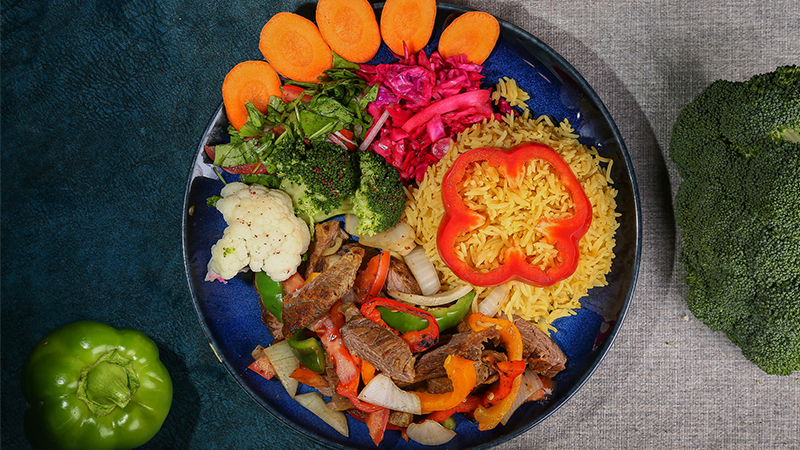
Corby Kummer, executive director of the Food and Society program at the Aspen Institute, encouraged this strategy, advising Wells that it was worth whatever effort he could make. “Changing your food environment is the single most important thing you can do for yourself,” he said.
In terms of exercise, Ice Cream man Emanuel cautions that being a couch potato “epitomizes an anti-wellness and anti-longevity lifestyle.” A fact that has been scientifically well known for decades is that “regular physical activity—not just the one-off trip to the gym, but routine, habitual, instinctive movement—is essential for wellness.” Emanuel emphasizes routine and habitual. He notes that studies have shown that as little as 15 minutes of exercise a day is associated with an additional three years of life. Researcher Anne Sofie Graham notes that sometimes less is more, as long as it’s regular. She’s found that daily sessions longer than 30 minutes can leave people more exhausted and apt to restrict further activity afterward.
“When people exercise less, they have more energy to be active for the rest of the day. This causes a greater weight loss in the long term.”
Emanuel encourages a wise progression away from sedentary habits. “The biggest gains in reducing the risk of death are found in people who go from no activity to doing some moderate exercise. Transitioning from being horizontal to walking, progressing to jogging or hiking up hills, then to running or biking offers the biggest potential improvement in your wellness and longevity.”
An important caveat in one’s exercise routine is the chance of head trauma. “If you want to be well, forgo the head-smashing sports,” warns Emanuel. Head trauma and concussions leading to degenerative brain disease among sports professionals has been called “industrial disease” in some contexts; not a mystery but a by-product of repetitive injury. So if contact sports that risk head injury—soccer, football and rugby, for example—are part of your exercise program, think again (while you still can). Emanuel agrees that “contact sports can provide useful skills besides exercise: teamwork, discipline, perseverance. But as valuable as these skills are, they can all be obtained without such a high risk of smashing your brain.” Maybe try volleyball, tennis, swimming or pickleball (although the latter is also witnessing a spike in head and other injuries).
Finally, the third piece in the diet-movement-sleep triune: “A restful good night’s sleep can provide a magical sense of restoration and wellness,” writes cardiologist Eric Topol in Super Agers: An Evidence-Based Approach to Longevity. We’ve all experienced this, but it shouldn’t be just a one-off experience. “Sleep is a non-negotiable biological state required for the maintenance of human life,” add sleep researchers Michael A. Grandner and Fabian-Xosé Fernandez. “Sleep is entwined across many physiologic processes in the brain and periphery, thereby exerting tremendous influence on our well-being.”
Topol advises that seven hours is the best target for sleep duration. Research shows that either more or less has negative consequences. Research has also shown that a quiet sleep environment is especially important. Even background noise that we may become habituated to is actually disruptive. While we may feel like the noises are being ignored, our hearts are listening . . . and stressing. Researchers describe this in their “sciency” lingo: “Some habituation to ambient noise occurs during sleep, and if the exposure is moderate, it is not infrequent to see progressive decrease or even disappearance of subjective annoyance after a few days or weeks. However, this habituation is not complete and the vegetative reactions observed during the sleep in response to the noises (more specifically the cardiovascular responses) are maintained over very long exposure periods.”
For Today and for Tomorrow
Essayist Wallace understood the challenge of what he termed “default settings” of our attention, his way of looking at the self-worshiping nature of the human condition. It wasn’t so much a case of Dubos’s mirage being the monkey wrench in the works, or of God not getting the design right. No, Wallace’s idea of the default seems more accurate, common to us all: It’s easy to become self-absorbed. Wellness for its own sake, as promoted by the health influencer, can be seductive, so much so that we may lose track of why we should want to be healthier; it isn’t just for us but for others as well. And finding a healthy diet, exercise and sleep routine may not be as daunting as we first imagine.
“The future you will thank you for listening to your intuition, for upholding boundaries that supported your inner thriving, for saying no to things that did not align with your values, for taking time to build your self-awareness, and for staying true to your vision.”
The antidote to this trap, and the real reason for seeking personal health and freedom from chronic disease, is to live a full life with a perspective beyond self, to serve others—in a sense to treat others as we would like to be treated. “The really important kind of freedom,” Wallace concludes, “involves attention and awareness and discipline, and being able truly to care about other people and to sacrifice for them over and over in myriad petty, unsexy ways every day.” Emanuel concurs, “All the data show that activities in the service of others make us happier and more fulfilled.”
We are in a tricky situation, but not hopeless. On the spiritual front we can look forward to the promised time of restoration, healing and reconciliation with God (Acts 3:19–21; Revelation 21:3–4). And on the physical side, we can embrace a proactive approach: focusing on healthful choices as best we understand them—all the while, as the Gospels direct, keeping our lives oriented toward our higher purpose. “Therefore I tell you, do not worry about your life, what you will eat or drink, or about your body, what you will wear. Isn’t there more to life than food and more to the body than clothing?” (Matthew 6:25, NET Bible).
A Short List of Healthy Choices
In Super Agers (2025), Eric Topol describes healthy living as lifestyle-plus. “When we get into discussions of ‘healthy lifestyle,’ it usually refers to diet, exercise, sleep, and intake of alcohol, coffee, and tobacco.” But our external environment is also important, thus the “plus.” Topol continues, “My much broader definition, lifestyle+, adds environmental conditions such as exposure to toxins including air pollution, microplastics, forever chemicals, socioeconomic status, loneliness, and social isolation.”
It’s easy to become overwhelmed; charting a healthful path is not easy. And, as wise king Solomon wrote, there are no guarantees. “The race is not to the swift or the battle to the strong, nor does food come to the wise or wealth to the brilliant or favor to the learned; but time and chance happen to them all” (Ecclesiastes 9:11, NIV).
An attitude of hopeful diligence is necessary, but avoid dogged determination that results in self-defeat. In Eat Your Ice Cream (2026), oncologist Ezekiel Emanuel cautions that we can lose the big picture. He offers an important bit of wisdom: Enjoy the gift of life; a little ice cream now and then won’t hurt.
“We need willpower as the force to overcome inertia,” notes Emanuel. “But repeatedly relying on willpower for wellness activities depletes our limited supply, leading us to eventually give up and revert to bad habits.” Make thoughtful habits your routine, he continues. “The key is to ensure that your regular schedule promotes wellness without turning yourself into a hamster on a wheel. And without making you feel shamed or stressed for failing to do more.”
The short list below summarizes health practices that are research-based and supported by health professionals across the globe.
- Eat with a healthy balance of foods in mind (more plants, fewer animals).
- Stand, walk, stretch: Move around, but don’t hit your head.
- Consistent sleep routines aid the body and brain in self-healing and cleansing.
- Make social contact: Meet with family and friends in person.
- Be aware of toxic conditions that create mental, physical and physiological stress. Awareness should lead to avoidance. This includes both chemical toxins (pesticides, heavy metals, microplastics, PFAS, ultra-processed and sugary foods) and social toxins (social situations and media that stimulate emotional extremes: anger, fear, jealousy, aggression, docile numbness, sexual anxiety).